
Vehicle repairs after a collision or even minor damage require careful attention, skilled workmanship, and reliable service. Choosing the right workshop can directly impact not only the appearance of your car but also its long-term safety and structural integrity. Poor repairs can lead to hidden issues that worsen over time.
Many vehicle owners underestimate how much variation exists between repair providers. Some focus on speed, others on cost, and a few prioritise precision and manufacturer-level standards. Knowing what to look for helps you avoid unnecessary risks and ensures your vehicle is restored properly.
In a competitive automotive repair environment, it becomes especially important to understand what separates a professional workshop from an average one. For drivers searching for trusted service providers such as panel beaters Johannesburg, the right knowledge can make all the difference when selecting a repair partner.
Understanding the Importance of Structural Integrity
A vehicle’s body is designed with specific crumple zones and reinforcement points that protect occupants during impact. When repairs are done incorrectly, these safety features may no longer function as intended. This is why attention to detail is critical during panel beating and structural restoration.
Even seemingly minor dents can conceal deeper damage to alignment, sensors, or mounting points. A reputable workshop will never treat cosmetic issues as surface-level problems without a full inspection. Proper assessment ensures that both visible and hidden damage is addressed thoroughly.
Safety should always take priority over appearance alone. A well-repaired vehicle should perform exactly as the manufacturer intended, especially in future collisions.
Certifications, Compliance, and Industry Standards
One of the most important indicators of quality is whether a workshop adheres to recognised industry standards. Certified technicians follow strict repair procedures, ensuring consistency and reliability in every job. This reduces the risk of improper fixes and improves long-term durability.
Workshops that invest in training and accreditation are generally more committed to quality outcomes. They stay updated with modern vehicle construction techniques, especially as newer models rely heavily on advanced materials and electronics.
When evaluating service providers like panel beaters Johannesburg, certification is often a strong indicator that the workshop can handle both modern and older vehicles effectively. It also reflects accountability and adherence to safety protocols.
A professional workshop typically demonstrates compliance through:
- Clear display of certifications and affiliations
- Use of manufacturer-approved repair methods
- Ongoing technician training and development
- Transparent inspection and reporting processes
These elements help ensure that every repair meets a consistent and verifiable standard.
Experience and Technical Skill of Technicians
The skill level of technicians plays a central role in the quality of repair work. Experienced panel beaters can identify structural issues that may not be immediately visible. Their understanding of vehicle design allows them to restore panels with precision and accuracy.
Hands-on experience across different vehicle brands is especially valuable. Each manufacturer uses unique materials, joining techniques, and structural designs. A skilled technician adapts their methods accordingly, ensuring the repair aligns with original specifications.
This is where reputable panel beaters Johannesburg services distinguish themselves, as experienced teams are better equipped to handle complex repairs without compromising structural integrity or finish quality.
Equipment, Tools, and Modern Repair Technology
Modern vehicles require modern repair solutions. Workshops that rely on outdated tools may struggle to deliver accurate results, especially when dealing with advanced materials like high-strength steel, aluminium, or composite panels.
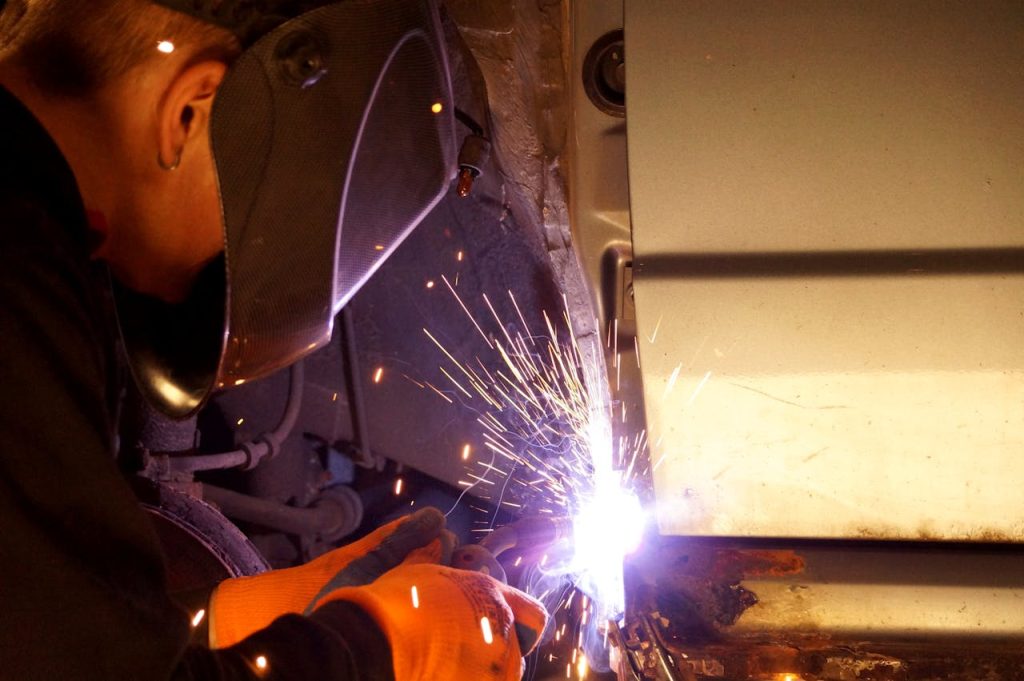
High-quality workshops invest in specialised equipment such as frame straightening machines, electronic measuring systems, and advanced paint-matching technology. These tools ensure precision during both structural repairs and cosmetic finishing.
Technology also improves efficiency. Digital diagnostics and measuring systems allow technicians to detect misalignments that would otherwise go unnoticed. This leads to safer and more reliable repairs overall.
A well-equipped workshop is also more likely to deliver consistent results across different vehicle types and damage levels.
Transparency, Communication, and Customer Trust
Clear communication is essential in any repair process. Vehicle owners should be kept informed from inspection through to final delivery. A trustworthy workshop will always provide detailed assessments and explain what repairs are necessary and why.
Transparency also extends to pricing. Hidden costs or vague estimates are often red flags. Reliable providers ensure that customers understand exactly what they are paying for, including parts, labour, and any additional services required.
Good workshops tend to prioritise customer education, helping vehicle owners understand the repair process without overwhelming technical jargon.
Key signs of strong communication include:
- Clear written quotations before work begins
- Regular progress updates during repairs
- Honest explanations of repair limitations
- Willingness to answer questions without pressure
Trust is built through consistency and openness, not just technical ability.
Turnaround Time and Workflow Efficiency
While quality should never be rushed, efficiency still matters. A well-managed workshop balances speed with precision, ensuring vehicles are returned in a reasonable timeframe without cutting corners.
Delays often occur when workshops lack proper workflow systems or sufficient staffing. In contrast, organised facilities plan repairs in stages, from assessment to panel work, painting, and final inspection.
Efficient scheduling and resource management reduce downtime for customers. However, rushed work can lead to mistakes, so balance is key. Reliable workshops prioritise doing the job correctly the first time, even if it takes slightly longer.
Customers often associate professionalism with how smoothly the process is managed, from booking to collection.
Signs of a Reliable and Professional Workshop
Identifying a trustworthy repair provider requires careful observation of both physical and operational indicators. Clean facilities, organised workspaces, and properly maintained tools often reflect a disciplined working environment.
Customer reviews and reputation also provide valuable insight. Consistent positive feedback usually indicates reliability and quality workmanship over time.
A dependable workshop will also be confident in its work, often offering warranties or guarantees on repairs. This demonstrates accountability and long-term commitment to customer satisfaction.
When evaluating options such as panel beaters Johannesburg, it is important to look beyond price alone and focus on overall value, safety standards, and long-term results.
Other strong indicators include:
- Detailed inspection reports before repair approval
- Visible quality control checks during and after work
- Professional handling of insurance claims where applicable
- Respect for customer timelines and expectations
A combination of these factors helps separate average repair shops from truly professional operations.
Vehicle repair is not just about restoring appearance; it is about ensuring safety, reliability, and long-term performance. Choosing the right workshop requires careful consideration of expertise, equipment, and transparency, along with a clear understanding of how repairs are carried out from start to finish.