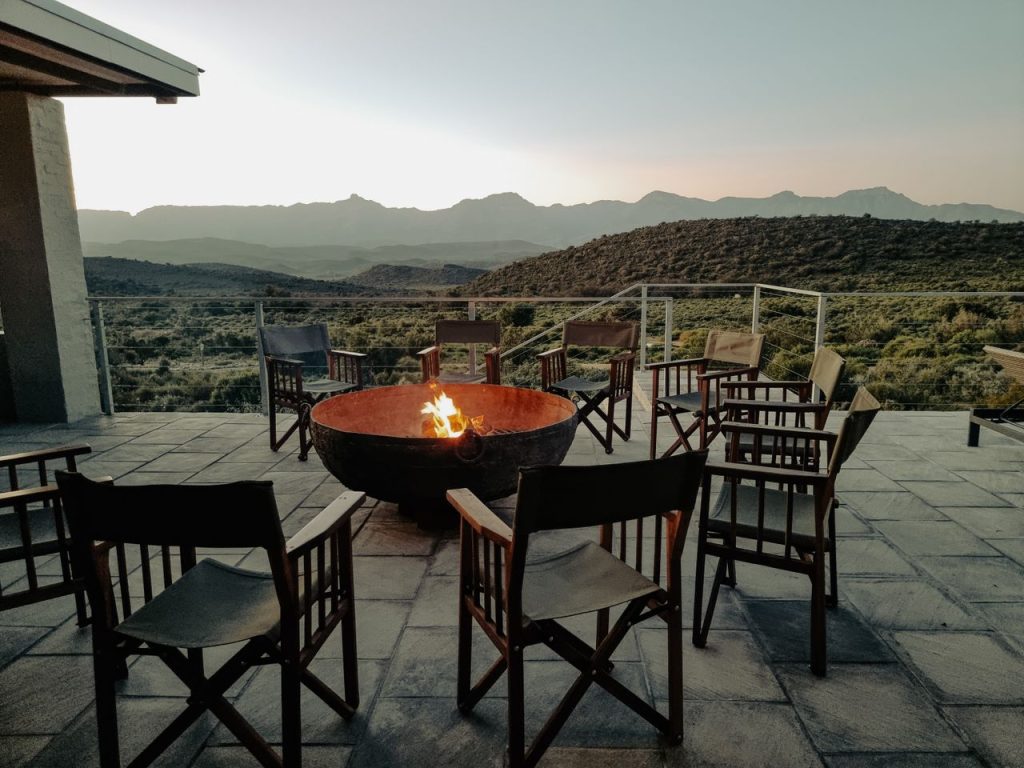

Outdoor entertaining is a wonderful way to bring people together, whether you are hosting a relaxed weekend braai, celebrating a special occasion, or enjoying a quiet evening with family. A well-designed outdoor space can make these gatherings more comfortable and memorable. With the right seating, lighting, and central feature, even a simple garden can become a welcoming place to spend time together.
In South Africa, outdoor living is a natural part of many homes, particularly during the warmer months. A dedicated gathering area allows guests to enjoy fresh air, good food, and conversation long after the sun sets. Incorporating boma fire pits into your outdoor entertainment area can create a natural focal point that encourages people to sit together and enjoy the atmosphere.
There are many ways to design a fire pit area, from traditional circular seating arrangements to contemporary patios with comfortable outdoor furniture. The best approach depends on your available space, personal style, and how you intend to use the area. With a little planning, you can create an inviting setting that works for casual family evenings and larger social gatherings alike.
Create a Comfortable Circular Seating Area
One of the most recognisable features of a traditional boma is its circular layout. Arranging chairs or built-in benches around a central fire encourages conversation because everyone can see and speak to one another easily.
For a relaxed setting, consider using wooden benches, outdoor armchairs, or weather-resistant seating with cushions. Natural materials can complement the surrounding garden and give the area a warm, informal character.
Leave enough space between the seating and the fire to allow people to move around comfortably. The layout should also provide clear access to the rest of the garden or patio without requiring guests to squeeze between chairs.
If you frequently entertain larger groups, additional movable chairs can make the area more flexible. You can bring them out when needed and store them away when the space is used for smaller gatherings.
Combine the Fire Pit With a Braai Area
A fire pit can form part of a broader outdoor entertainment space that includes a braai, preparation counter, and dining area. This arrangement is particularly useful when hosting friends and family because it gives guests different places to gather throughout the evening.
The cooking area can be positioned close enough to the seating zone to maintain a social atmosphere, while remaining separate enough to prevent smoke and cooking activity from disrupting conversations.
Consider adding a sturdy outdoor table for serving food, keeping drinks accessible, or arranging braai essentials. Weather-resistant surfaces are practical choices because they can withstand regular use and changing outdoor conditions.
When planning the layout, avoid placing the fire pit directly beside flammable furniture, wooden structures, or overhanging vegetation. A suitable non-combustible surface and adequate separation from surrounding materials help make the area safer.
Add Warm, Subtle Outdoor Lighting
Lighting plays an important role in creating an inviting atmosphere after sunset. The fire itself provides a natural focal point, but additional lighting helps guests move around safely and makes the rest of the entertainment area more usable.
Solar garden lights, low-level pathway lighting, and outdoor-rated wall lights can illuminate walkways without overwhelming the natural glow of the fire. Warm-toned lighting may also complement stonework, timber, and other natural finishes.
Avoid positioning lights where they shine directly into guests’ eyes. Instead, focus on illuminating steps, changes in ground level, seating areas, and routes leading back to the house.
For a more layered effect, combine functional lighting with a few decorative fixtures around the patio. Any electrical fittings used outdoors should be rated for the conditions in which they will operate.
Choose Materials That Suit Your Garden
The materials surrounding a fire pit influence both its appearance and its long-term maintenance requirements. Stone, brick, concrete, and suitable fire-rated masonry can create a durable foundation for a traditional or contemporary design.
Natural stone works well in gardens with indigenous plants, gravel pathways, or rustic landscaping. Brick can provide a classic appearance, while smooth concrete and simple geometric lines may suit modern homes.
Timber can introduce warmth through benches, tables, and decorative features, but combustible materials must be kept at an appropriate distance from the fire. The fire pit itself should be constructed from materials specifically suitable for exposure to high temperatures.
Think about the surrounding landscape before choosing finishes. A design that complements existing paving, garden walls, and outdoor furniture will generally feel more cohesive than one that introduces too many unrelated materials.
Plan Your Entertainment Area Around How You Host
The most practical outdoor spaces are designed around the activities that take place there. A household that regularly hosts large braais may need a different arrangement from one that prefers quiet evenings with a few close friends.
Before choosing furniture or finalising the layout, consider the following steps:
- Measure the available space. Account for the fire pit, seating, walkways, and any nearby cooking or dining facilities.
- Decide on the main purpose. Determine whether the area will primarily be used for socialising, cooking, relaxing, or a combination of activities.
- Choose suitable seating. Select furniture that accommodates your usual group size while leaving room for additional guests.
- Plan circulation routes. Make sure people can move between the house, braai, dining table, and seating area without passing too close to the fire.
- Consider maintenance. Choose surfaces and furniture that are practical for your climate and the amount of upkeep you are prepared to do.
- Review fire safety. Check local requirements, manufacturer instructions, and appropriate clearances before installing or using the fire pit.
Working through these decisions early can prevent costly changes later and help ensure that the finished area meets your household’s needs.
Bring Natural Landscaping Into the Design
Plants and landscaping can help a fire pit area feel connected to the rest of the garden. Indigenous grasses, hardy shrubs, and carefully placed decorative stones can soften the appearance of paved surfaces while maintaining a natural outdoor atmosphere.
A gravel border or stone pathway can visually define the entertainment area without requiring a large construction project. For properties with more space, a combination of lawn, planted borders, and a dedicated seating zone can create a clear distinction between different outdoor activities.
Plant selection requires some care around an open fire. Keep dry leaves, dead vegetation, branches, and other combustible materials away from the fire area. Avoid placing shrubs where they could grow into the fire pit’s clearance zone, and remove accumulated garden debris regularly.
If the entertainment area is exposed to strong winds, landscaping and the overall site layout should also be considered when deciding where to position the fire pit. Wind can carry sparks and embers beyond the immediate seating area.
Make Room for Food, Drinks, and Conversation
Small practical details can make a significant difference when entertaining outdoors. Guests are more comfortable when refreshments are easy to reach and there is enough space to put down plates, glasses, and personal belongings.
A side table beside the seating area provides a convenient surface without taking up as much room as a large dining table. If space allows, a nearby serving station can keep food and drinks organised while allowing the main seating area to remain uncluttered.
Consider these useful additions when planning your setup:
- Weather-resistant side tables for drinks and snacks.
- Outdoor cushions that can be stored away when not in use.
- A dedicated serving surface near the braai.
- Accessible pathways between the entertainment area and the house.
- Storage for outdoor accessories and removable furniture.
- Suitable lighting for steps, pathways, and seating zones.
These features do not need to be expensive or elaborate. A few well-chosen additions can make the space easier to use and more comfortable for guests of different ages.
Keep Fire Safety Part of the Design
An attractive entertainment area should also provide a safe environment for everyone using it. Fire pits require careful placement, responsible supervision, and attention to changing weather conditions.
Position the fire pit on a stable, non-combustible surface and follow the manufacturer’s specified clearances from buildings, furniture, fences, trees, and other combustible materials. Never assume that a decorative surround alone provides adequate protection.
Keep children and pets at a safe distance, and ensure that guests can move around without tripping over furniture or stepping into the fire area. A suitable fire-extinguishing method should be available, and the fire should never be left unattended.
Windy conditions can increase the risk of sparks spreading, while dry weather may make surrounding vegetation more vulnerable to ignition. Check local fire restrictions and municipal rules before lighting an outdoor fire, particularly during periods of elevated fire danger.
Allow ashes and embers to cool completely before disposal, following the fire pit manufacturer’s instructions. Never leave a fire burning when everyone goes indoors for the night.
Create an Outdoor Space Worth Returning To
A thoughtfully planned boma can become one of the most frequently used areas of a home. Whether the design is rustic and traditional or clean and contemporary, the goal is to create a comfortable setting where people can gather without the space feeling crowded or difficult to maintain.
Focus on the essentials first: suitable seating, a practical layout, durable materials, appropriate lighting, and responsible fire placement. Decorative features can be introduced gradually as you discover how the area works for your household.
With the right combination of comfort and functionality, your outdoor entertainment area can accommodate everything from informal family evenings to lively gatherings with friends. A well-designed setting encourages people to slow down, share a meal, and enjoy the simple pleasure of spending time together outdoors.