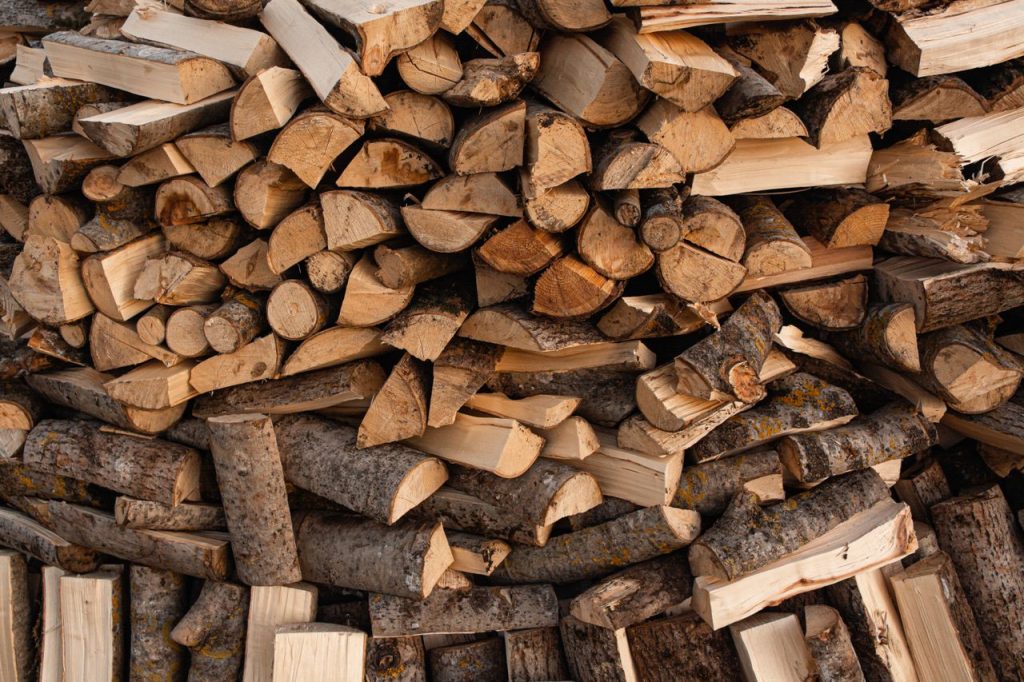

In cooler months, having a dependable supply of dry firewood can make a significant difference to the comfort of a home. Whether wood is being used in a fireplace, indoor stove, outdoor braai area, or another suitable appliance, the quality of the fuel matters. Choosing a supplier is therefore about more than simply finding the lowest price. The type of wood, moisture content, quantity, delivery arrangements, and overall service can all affect the experience.
For households that rely on wood regularly, arranging firewood delivery Cape Town services can be a convenient way to avoid last-minute trips to collect heavy loads. A reliable supplier should make the ordering process straightforward while providing clear information about what customers are actually receiving. This is particularly important when purchasing larger quantities, as the appearance of a pile does not always tell you how much usable firewood is included.
Understanding what to expect before placing an order can also help customers make more informed decisions. From selecting appropriate wood to checking delivery details and storing the load correctly, several practical considerations can influence how well the firewood performs once it arrives.
Choosing the Right Type of Firewood
Not all firewood performs in exactly the same way. Different species can vary in density, burning characteristics, moisture content, heat output, and how long they remain useful once placed on a fire. A reputable supplier should be able to explain the types of wood available rather than simply offering a generic “firewood” option.
Hardwoods are often valued because they can burn for longer and provide sustained heat when properly seasoned. Softer woods may ignite more readily and can be useful for getting a fire started, although they may burn more quickly. The best choice depends on how the wood will be used and what type of appliance or fire setup is involved.
Customers should also consider whether they need wood primarily for heating, cooking, ambience, or occasional outdoor use. A household that lights a fireplace every evening during winter may have different requirements from someone who only needs a smaller supply for weekend braais.
Why Moisture Content Matters
One of the most important factors affecting firewood performance is moisture. Freshly cut wood can contain substantial amounts of water, making it more difficult to ignite and less efficient to burn. Properly seasoned wood has had sufficient time to lose much of that moisture under suitable storage conditions.
Wet or poorly seasoned wood can produce more smoke and may burn less effectively. It can also make maintaining a consistent fire more difficult. For indoor applications, excessive smoke is particularly undesirable because fireplaces and chimneys need to operate safely and efficiently.
A trustworthy supplier should be able to explain whether the wood has been seasoned, kiln-dried, or otherwise prepared for burning. Customers should be cautious about assuming that wood is ready to burn simply because it looks dry on the outside. Moisture can remain inside larger pieces even when the surface appears relatively dry.
What to Check Before Ordering
Before arranging a delivery, it is worth confirming exactly what the supplier is offering. Firewood is sometimes sold according to different measurements or load sizes, and descriptions can vary between businesses.
A useful approach is to clarify the following:
- Wood type: Ask which species or mixture is included and whether the characteristics of the wood are suitable for your intended use.
- Seasoning: Confirm whether the firewood has been properly seasoned and is ready to burn.
- Quantity: Find out how the load is measured so you can make a meaningful comparison between different suppliers.
- Piece size: Check whether the logs are cut to a practical size for your fireplace, stove, or other approved fire-burning equipment.
- Delivery area: Confirm that your address falls within the supplier’s service area and ask whether delivery charges vary by location.
- Delivery timing: Establish when the load is expected to arrive and whether a specific delivery window can be provided.
- Additional charges: Ask about any fees that could apply for delivery, difficult access, minimum orders, or other circumstances.
These questions do not necessarily indicate that a supplier is unreliable if some information is not immediately displayed online. However, a professional business should generally be willing to provide clear answers before payment is made.
Understanding Firewood Quantities
Quantity can be surprisingly difficult to compare when suppliers use different descriptions. Terms such as loads, bags, stacks, or cubic measurements may not always represent identical amounts of wood.
For this reason, customers should look beyond photographs of large piles of logs. The actual quantity can depend on how pieces are stacked, their individual dimensions, and how much empty space exists between them.
If purchasing for regular household heating, it can be useful to estimate typical consumption before ordering. A small delivery may be sufficient for occasional use but inadequate for someone who depends on wood throughout winter. Conversely, ordering substantially more than can be stored properly may result in unnecessary waste or deterioration.
Clear communication about quantity is one of the simplest ways to prevent misunderstandings. A reputable supplier should be comfortable explaining how its loads are measured and what customers can reasonably expect to receive.
What Reliable Delivery Should Look Like
The delivery itself is an important part of the customer experience. Firewood is heavy and cumbersome, so dependable transport can save considerable effort. Customers should not have to discover unexpected delivery limitations only after placing an order.
Before confirming a purchase, consider where the vehicle can access the property. Narrow driveways, steep entrances, locked gates, apartment complexes, or restricted parking areas may affect where the wood can be unloaded. If access is limited, communicate this with the supplier beforehand.
It is also sensible to establish whether the firewood will be unloaded at the driveway, pavement, garage entrance, or another accessible point. Unless a business specifically offers placement as part of its service, customers should not automatically assume that the driver will carry the entire load to a preferred storage location.
Good communication works both ways. Providing accurate address information, access instructions, and any relevant restrictions can help the delivery proceed smoothly.
Signs of a Dependable Firewood Supplier
Reliability is not determined by one factor. A supplier may offer competitive pricing but still provide an inconsistent product, while another business may charge slightly more but offer better communication and more predictable quality.
Several characteristics can indicate a more professional operation:
- Clear descriptions of available firewood and quantities
- Straightforward information about seasoning and moisture
- Transparent delivery terms and pricing
- Consistent communication before and after ordering
- Practical log sizes suitable for the intended application
- Reasonable expectations about delivery times
- Willingness to answer questions about the product
- A clear process for handling concerns or discrepancies
Customer feedback can also provide useful context, particularly when reviews repeatedly mention the same strengths or problems. However, reviews should be considered alongside the supplier’s own information rather than treated as the sole measure of quality.
Preparing for Your Firewood Delivery
A little preparation can make receiving a large load much easier. Firewood should ideally have a designated storage area before the delivery arrives. The location needs to be practical while also allowing air to circulate around the wood.
Wood should generally not be stored directly against a damp surface where moisture can accumulate. A raised or suitably prepared base can help keep the bottom pieces away from standing water and ground moisture.
The storage location should also be considered from a fire-safety perspective. Firewood is combustible, so it should be kept away from sources of ignition and stored in accordance with applicable safety guidance for the property and appliance being used.
Avoid bringing large quantities of outdoor-stored firewood indoors simply because it is more convenient. Keeping only an appropriate working supply near an appliance can reduce clutter and help maintain a safer environment.
How to Store Firewood Properly
Once the delivery has arrived, storage conditions can influence how well the wood remains usable. Even properly seasoned logs can absorb moisture if they are left exposed to persistent rain or placed in an unsuitable area.
A good storage arrangement should provide protection from excessive weather while maintaining ventilation. Covering the top of a stack can help limit exposure to rain, but completely enclosing wet wood without adequate airflow can prevent moisture from escaping.
The stack should also be stable. Logs should be arranged so that pieces cannot easily roll or collapse into walkways. This becomes particularly important when children, pets, or other household members regularly use the surrounding area.
Rotating older stock and using the driest suitable pieces first can also help maintain an efficient supply. If wood becomes visibly mouldy, unusually damp, or otherwise unsuitable for its intended use, it should not simply be assumed to be safe to burn.
Getting Better Value From a Firewood Order
Price is naturally an important consideration, but comparing suppliers solely on the advertised price can be misleading. A cheaper load may not represent better value if it contains poorly seasoned wood, inconsistent pieces, or less usable material than expected.
Instead, consider the complete offering. A supplier with dependable delivery, consistent wood quality, transparent measurements, and responsive customer service may provide greater practical value over time.
For regular customers, planning ahead can also be beneficial. Ordering before demand reaches its seasonal peak may provide more flexibility in choosing delivery dates and quantities. It can also reduce the temptation to accept an unsuitable load simply because fuel is urgently needed.
Keeping a simple record of how quickly your household uses firewood can make future ordering easier. After one season, you may have a much clearer idea of how much wood is appropriate for your particular needs and usage pattern.
Safety Should Remain a Priority
Firewood itself is only one part of safe wood burning. The fireplace, stove, chimney, flue, braai, or other appliance must be appropriate for its intended purpose and maintained according to the manufacturer’s instructions and applicable safety requirements.
Never use an appliance for which wood burning is not permitted. Indoor combustion also requires appropriate ventilation and a properly functioning flue system where applicable. Carbon monoxide is an invisible and potentially dangerous gas, so suitable safety precautions should never be overlooked.
Wood should also be kept away from children and pets, particularly where unstable stacks could be knocked over. Ashes and embers can remain hot after a fire appears to have gone out, meaning they should be handled and disposed of according to appropriate fire-safety guidance.
If there is uncertainty about an appliance, chimney, flue, or installation, professional advice should be obtained rather than relying on assumptions.
Making the Most of Your Supplier
Once you find a supplier that consistently provides suitable wood and dependable service, keeping communication clear can make future orders much simpler. Save information about the type of wood purchased, the approximate quantity, and how long the supply lasted.
It is also worth giving feedback when something about a delivery was particularly good or when an issue needs attention. Constructive communication gives the supplier an opportunity to correct problems and helps establish clearer expectations for future orders.
For households using firewood regularly, consistency is often more valuable than finding the lowest possible price on every individual order. Reliable quality means less uncertainty about how the wood will burn, while dependable delivery reduces the inconvenience associated with transporting heavy loads yourself.
When evaluating firewood delivery in Cape Town options, therefore, look at the entire service rather than focusing on a single advertised figure. Product quality, moisture levels, quantity, delivery arrangements, communication, and storage considerations all contribute to the overall value of an order.
With the right preparation and a supplier that communicates clearly, buying firewood can become a straightforward part of seasonal home maintenance. The goal is not simply to have a pile of logs delivered, but to receive suitable, responsibly prepared firewood in a quantity that matches your needs and can be stored safely until it is ready to use.