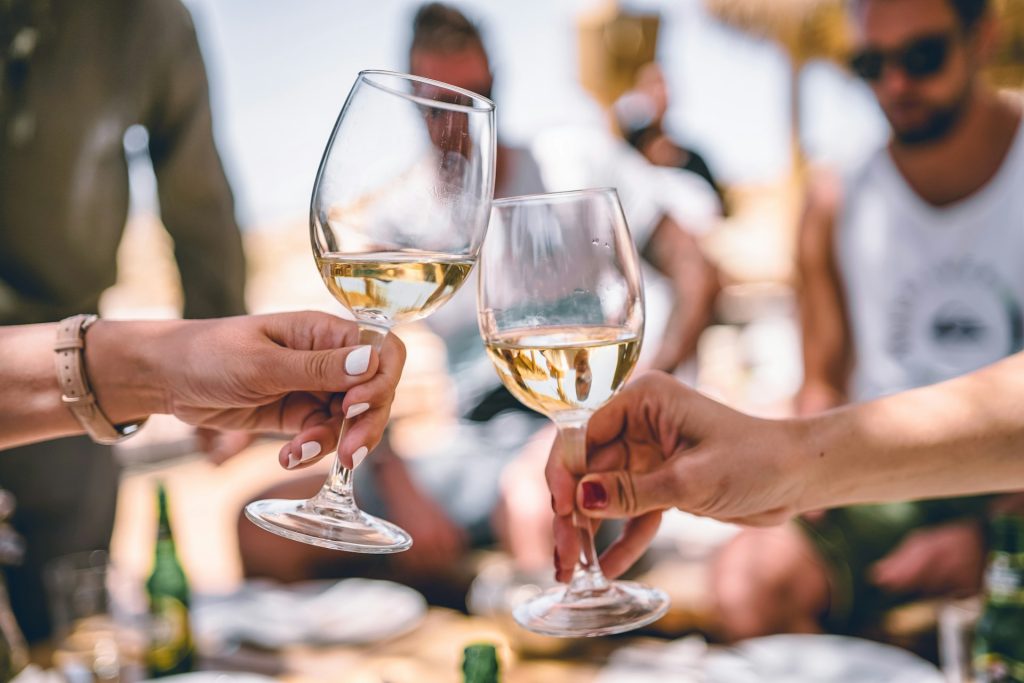

Luxury wine experiences have become one of the most sought-after ways to explore regional culture, fine dining, and premium hospitality. Planning such an experience requires more than simply booking a few cellar visits; it involves thoughtful timing, curated selections, and an understanding of what makes a tasting truly elevated. When done well, a refined itinerary can transform a simple outing into a memorable sensory journey, especially when exploring the Cape’s renowned vineyards through curated wine tours Cape Town experiences.
The Cape Winelands offer a blend of historic estates, modern boutique producers, and breathtaking landscapes. Rolling vineyards, mountain backdrops, and centuries-old wine-making traditions all contribute to the region’s global reputation. However, the sheer number of estates means careful planning is essential if the goal is quality over quantity.
A luxury wine tasting day should feel unhurried and intentional. From transport arrangements to tasting sequences and food pairings, every detail contributes to the overall atmosphere. Without structure, even the most beautiful route can feel rushed or fragmented.
Understanding the Luxury Wine Tasting Landscape in Cape Town
The Cape Winelands region is not a single destination but a collection of interconnected wine routes, each offering its own identity. Stellenbosch is known for its historic estates and bold reds, while Franschhoek offers French-inspired elegance and gourmet dining. Paarl brings a balance of tradition and innovation, often with expansive vineyard views.
Luxury wine tasting differs from casual visits in its emphasis on exclusivity and personalization. Private cellar tours, guided tastings with winemakers, and curated vertical tastings are common features. These experiences are designed to deepen appreciation rather than simply sample wines.
Visitors often underestimate how much time is needed to fully enjoy each estate. A proper tasting can take between 60 and 120 minutes, especially when paired with food or vineyard walks. Planning too many stops in one day can dilute the experience.
Transport also plays a central role. Professional chauffeurs or private drivers are often used to ensure safety and comfort between estates. This allows guests to focus entirely on the experience without logistical concerns.
Ultimately, luxury wine tasting is about rhythm. The pace of the day should match the elegance of the surroundings, allowing each moment to unfold naturally.
Choosing the Right Estates and Experience Style
Selecting estates is one of the most important steps in planning a premium itinerary. Not all wineries offer the same level of service or atmosphere, so alignment with personal preference is key.
Some estates focus heavily on heritage and storytelling, offering in-depth historical context alongside tastings. Others lean toward modern architecture, minimalist tasting rooms, and experimental wine-making techniques. Knowing the difference helps create a more cohesive experience.
It is also important to consider wine style preferences. Red wine enthusiasts may prioritize Cabernet Sauvignon and Shiraz producers, while white wine lovers may prefer Sauvignon Blanc and Chardonnay specialists.
Seasonality can influence the experience as well. Harvest season brings activity and energy, while winter offers quieter, more intimate tastings indoors.
A well-balanced itinerary typically includes:
- One heritage estate with historical significance
- One boutique winery with limited-production wines
- One estate offering food and wine pairing experiences
- One scenic vineyard stop focused on relaxation
Spacing these experiences properly ensures variety without fatigue.
Designing a Personalized Wine Route in the Cape Winelands
Creating a tailored route is where planning becomes truly important. This stage involves combining geography, wine style, and travel time into a logical flow.
Many travelers exploring premium wine tours in Cape Town options choose to focus on a single region per day rather than attempting to cover multiple areas. This reduces travel time and allows for a deeper appreciation of each estate.
A well-designed route should consider distance between wineries, peak visiting hours, and reservation requirements. Some estates require advance bookings for tastings or cellar experiences, especially for private groups.
Timing is also crucial. Starting too late in the morning can compress the schedule and reduce enjoyment. Ideally, the first tasting begins mid-morning, allowing for a relaxed pace throughout the day.
Planning Logistics for a Seamless Day
Logistics are often what separate a good wine tasting day from an exceptional one. Even the finest itinerary can be undermined by poor timing or lack of coordination.
A structured approach helps ensure everything runs smoothly:
- Confirm all winery bookings in advance, including tasting type and arrival time
- Plan travel time between estates with a buffer for delays or extended visits
- Arrange professional transport or a designated driver for safety
- Sequence tastings from lighter wines to fuller-bodied varieties
- Schedule a longer break for lunch or a seated food pairing experience
Each of these steps contributes to a more controlled and enjoyable experience. Without them, the day can quickly become rushed or disorganized.
It is also wise to avoid over-scheduling. Three to four estates per day is typically ideal for a luxury experience. Anything more may lead to palate fatigue and reduced appreciation of the wines.
What to Expect from a Premium Tasting Experience
Luxury wine tastings are designed to engage all senses. Presentation is often meticulous, with attention given to glassware, temperature, and tasting order.
Guests may be guided through structured tastings that explain aroma profiles, terroir influences, and aging techniques. This educational component enhances appreciation and allows for deeper engagement with each wine.
Staff at high-end estates are typically well-trained in both hospitality and wine knowledge. Their role is not only to serve but to interpret and guide the experience.
Expect a slower pace than standard tastings. There is often time to walk through vineyards, visit barrel rooms, or speak directly with winemakers. These elements add depth and exclusivity.
Safety, Transport, and Responsible Enjoyment
Responsible planning is essential for any wine-focused itinerary. Alcohol consumption must always be balanced with safety considerations, especially when visiting multiple estates in one day.
Professional transport services are strongly recommended. This ensures that guests can fully enjoy tastings without concern for driving or navigation. It also allows for flexibility if schedules change during the day.
Hydration and pacing are equally important. Water is typically provided at each estate, and alternating between wine and water helps maintain comfort throughout the day.
Awareness of alcohol intake is key. Even during structured tastings, consumption can accumulate more quickly than expected.
Enhancing the Experience with Food and Pairings
Food plays a significant role in elevating wine tasting. Many estates offer curated pairings designed to complement specific varietals.
Cheese boards, seasonal menus, and multi-course dining experiences are common. These pairings are carefully designed to highlight flavor profiles and enhance complexity.
Pairing wine with food also helps slow the pace of tasting, creating natural breaks between samples.
Common pairing elements include:
- Aged cheeses paired with full-bodied reds
- Seafood dishes paired with crisp white wines
- Chocolate or dessert wines for finishing tastings
- Seasonal farm-to-table menus reflecting local produce
These combinations help create a more immersive and memorable experience.
Final Practical Tips for a Memorable Day
Small details often determine the overall quality of a wine tasting experience. Preparation and awareness can significantly enhance enjoyment.
It is advisable to wear comfortable clothing and shoes suitable for walking on vineyard terrain. Weather can change quickly, so layering is often practical.
Booking in advance ensures access to premium tasting rooms and limited experiences. Last-minute visits may restrict options or result in longer waiting times.
A thoughtful approach to pacing, transport, and selection allows the day to unfold naturally rather than feeling structured or rushed.
Key considerations include:
- Prioritize quality over quantity when selecting estates
- Allow flexibility in your itinerary for unexpected discoveries
- Balance tasting intensity with relaxation periods
- Keep notes if you want to remember specific wines or estates
- Respect tasting etiquette and staff guidance at each location
A well-planned wine journey is not just about the wines themselves, but about how each moment connects. When curated carefully, it becomes a layered experience of taste, landscape, and hospitality that remains memorable long after the final glass is poured.